Whispering Pines: Mindfulness in Ancient Kyoto
"In Japan, space is not an empty void awaiting furniture; it is 'ma'—the pregnant interval where thought finds room to breathe."
1. The Northern Foothills
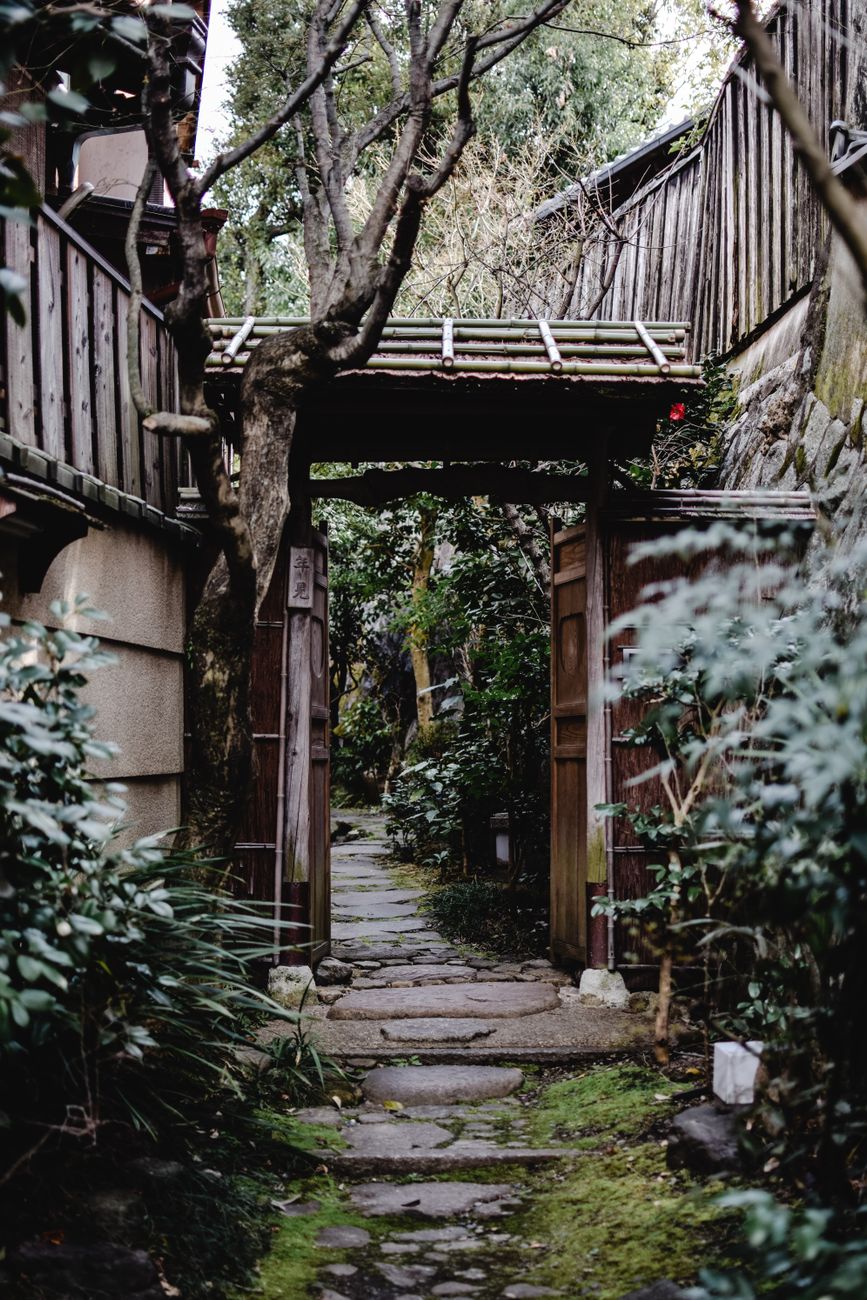
Away from the busy urban stations, Kyoto dissolves into hillside temples where cedar moss carpets have been swept with handheld bamboo brooms for three centuries. Staying at a modest machiya residence allows one to wake to the distant bronze chime of temple bells at sunrise.
Shoji paper screens filter daylight with soft warmth, shifting throughout the day from pale amber to indigo. Every corner is intentional, from the placement of a single wild camellia in a rough stoneware vase to the scent of tatami woven from natural rush grass.
2. The Aesthetics of Ma
Walking the stone paths of Daitoku-ji reveals the architectural mastery of restraint. Gravel gardens are raked in concentric patterns mimicking ocean tides, inviting the observer to sit quietly along wooden engawa verandas without checking digital devices.
This discipline teaches voyagers that genuine exploration does not demand constant action. Quiet observation often yields the deepest artistic impressions.
3. Culinary Kaiseki
Evenings are dedicated to hyper-seasonal dining. Micro-batches of sweet mountain yams, young bamboo shoots poached in rice water, and sweet river trout grilled over white binchotan charcoal illustrate respect for the seasons.
Voyager Recommendation
Reserve quarters in the Takagamine district during late autumn. Walk before 7 AM to experience the mist hovering over cedar forests prior to public access.